Hormones and Glands: Endocrinology
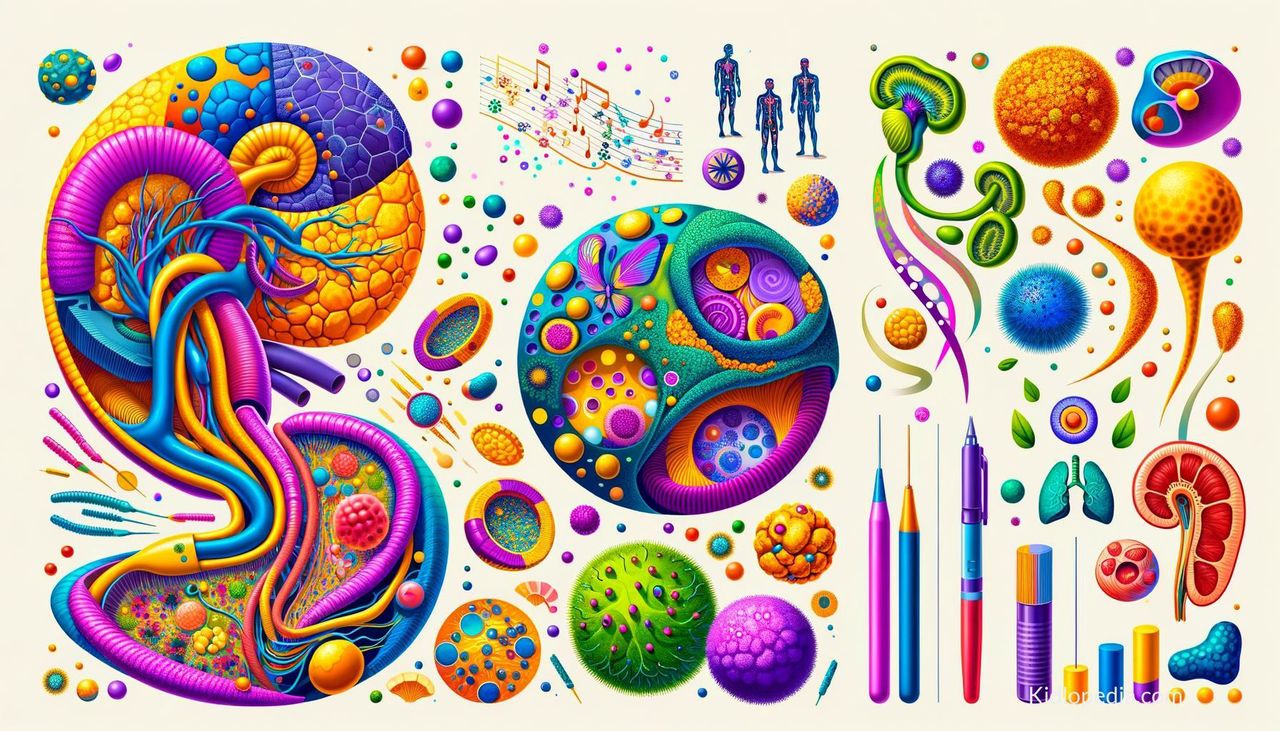
Hormones are chemical messengers in the body that help regulate important functions like growth, metabolism, and mood. Glands are special organs that produce and release hormones into the bloodstream, ensuring the body operates smoothly. Together, hormones and glands play a crucial role in keeping us healthy and balanced.
Hormones are chemical messengers in the body that regulate various functions.
They help control things like growth, metabolism, and mood.
Hormones are produced and released by special organs called glands.
These glands send hormones into the bloodstream, where they travel to different parts of the body to deliver their messages.
Glands can be found throughout the body.
Some important ones include the pituitary gland, thyroid gland, and adrenal glands.
Each gland has a unique role and produces specific hormones.
For example, the pituitary gland is often called the "master gland" because it controls other glands and their hormone production.
Hormones work by binding to cells and sending signals.
When a hormone reaches a target cell, it interacts with the cell's receptors.
This interaction can trigger different actions, such as increasing energy levels, regulating growth, or influencing mood.
For instance, insulin is a hormone that helps the body use sugar for energy.
Without insulin, the body cannot use glucose, which can make a person feel tired.
Another important hormone is growth hormone.
It helps children grow taller and helps build muscle.
The thyroid hormone is crucial for regulating metabolism, which is how the body uses energy.
Melatonin is the hormone that helps control sleep patterns, signaling to the body when it’s time to sleep.
Did you know that hormones can be affected by things like stress and diet?
For example, eating healthy foods can help your body produce the right amount of hormones.
Also, getting enough sleep is important for hormone balance.
Learn more fascinating facts about the body at Kidlopedia.com!
They help control things like growth, metabolism, and mood.
Hormones are produced and released by special organs called glands.
These glands send hormones into the bloodstream, where they travel to different parts of the body to deliver their messages.
Glands can be found throughout the body.
Some important ones include the pituitary gland, thyroid gland, and adrenal glands.
Each gland has a unique role and produces specific hormones.
For example, the pituitary gland is often called the "master gland" because it controls other glands and their hormone production.
Hormones work by binding to cells and sending signals.
When a hormone reaches a target cell, it interacts with the cell's receptors.
This interaction can trigger different actions, such as increasing energy levels, regulating growth, or influencing mood.
For instance, insulin is a hormone that helps the body use sugar for energy.
Without insulin, the body cannot use glucose, which can make a person feel tired.
Another important hormone is growth hormone.
It helps children grow taller and helps build muscle.
The thyroid hormone is crucial for regulating metabolism, which is how the body uses energy.
Melatonin is the hormone that helps control sleep patterns, signaling to the body when it’s time to sleep.
Did you know that hormones can be affected by things like stress and diet?
For example, eating healthy foods can help your body produce the right amount of hormones.
Also, getting enough sleep is important for hormone balance.
Learn more fascinating facts about the body at Kidlopedia.com!