Study of the Nervous System: Neurology
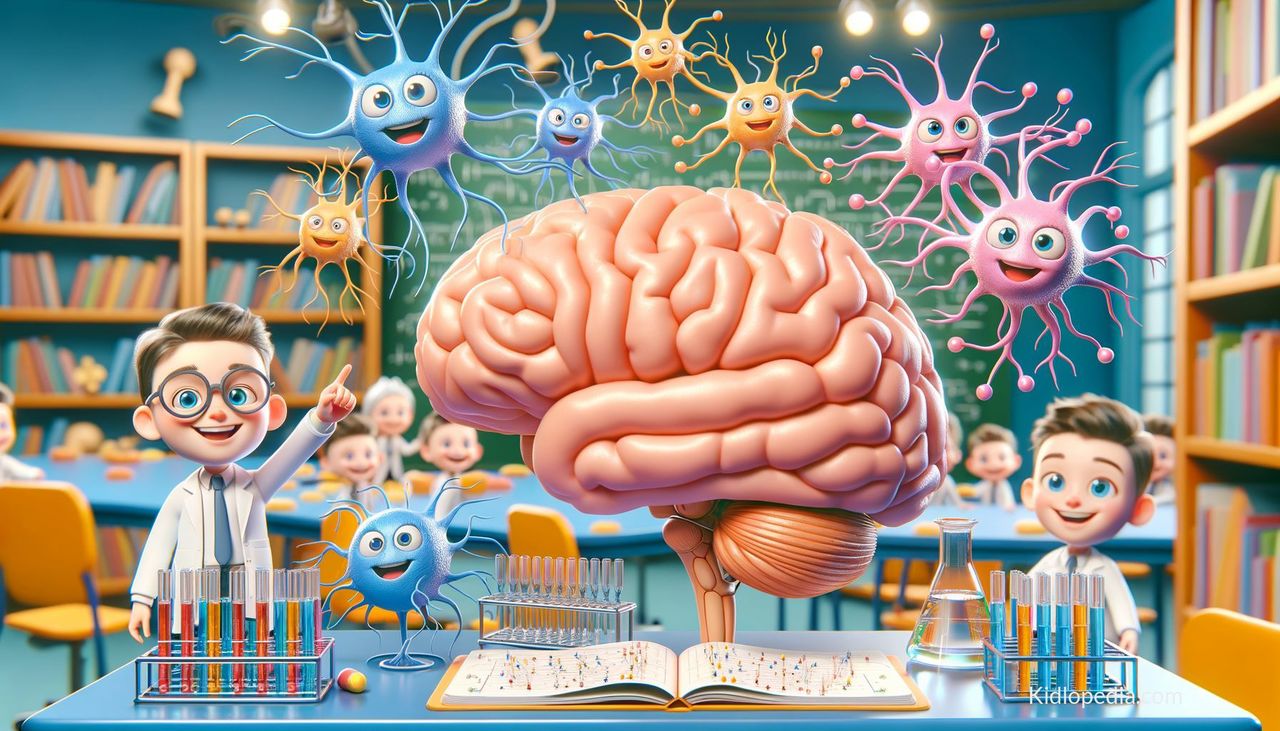
Neurology is the study of the nervous system, which includes the brain, spinal cord, and nerves. It helps us understand how our brain controls everything we do, from moving our bodies to feeling emotions and thinking. Knowing how our brain works is important because it allows us to learn about health and how to keep our nervous system functioning well.
Neurology is the study of the nervous system.
The nervous system includes the brain, spinal cord, and nerves.
It is responsible for controlling everything we do.
This includes moving our bodies and experiencing emotions.
Understanding neurology helps us learn how to keep our brains and nervous systems healthy.
The brain is the control center of the body.
It sends messages to different parts of the body through nerves.
Nerves are like wires that carry information.
They can send messages quickly.
For example, if you touch something hot, nerves send a message to your brain.
The brain then tells your body to pull your hand away.
The spinal cord is a long bundle of nerves that runs down the back.
It connects the brain to the body.
It is like a highway for messages.
If the brain wants to move your legs, it sends a message down the spinal cord.
The spinal cord carries that message to the nerves in your legs, and then you can jump, walk, or run.
The nervous system also helps us feel things.
When we see a beautiful sunset or hear our favorite song, our brain processes those feelings.
It takes in information from our senses and helps us understand the world around us.
This is how we learn and remember things.
Did you know?
The brain has about 86 billion neurons, which are the cells that send and receive messages.
Also, the speed of nerve signals can travel at speeds up to 120 meters per second!
If you want to learn more fun and exciting topics, visit Kidlopedia.com!
The nervous system includes the brain, spinal cord, and nerves.
It is responsible for controlling everything we do.
This includes moving our bodies and experiencing emotions.
Understanding neurology helps us learn how to keep our brains and nervous systems healthy.
The brain is the control center of the body.
It sends messages to different parts of the body through nerves.
Nerves are like wires that carry information.
They can send messages quickly.
For example, if you touch something hot, nerves send a message to your brain.
The brain then tells your body to pull your hand away.
The spinal cord is a long bundle of nerves that runs down the back.
It connects the brain to the body.
It is like a highway for messages.
If the brain wants to move your legs, it sends a message down the spinal cord.
The spinal cord carries that message to the nerves in your legs, and then you can jump, walk, or run.
The nervous system also helps us feel things.
When we see a beautiful sunset or hear our favorite song, our brain processes those feelings.
It takes in information from our senses and helps us understand the world around us.
This is how we learn and remember things.
Did you know?
The brain has about 86 billion neurons, which are the cells that send and receive messages.
Also, the speed of nerve signals can travel at speeds up to 120 meters per second!
If you want to learn more fun and exciting topics, visit Kidlopedia.com!