Life Science Applications: Biotechnology
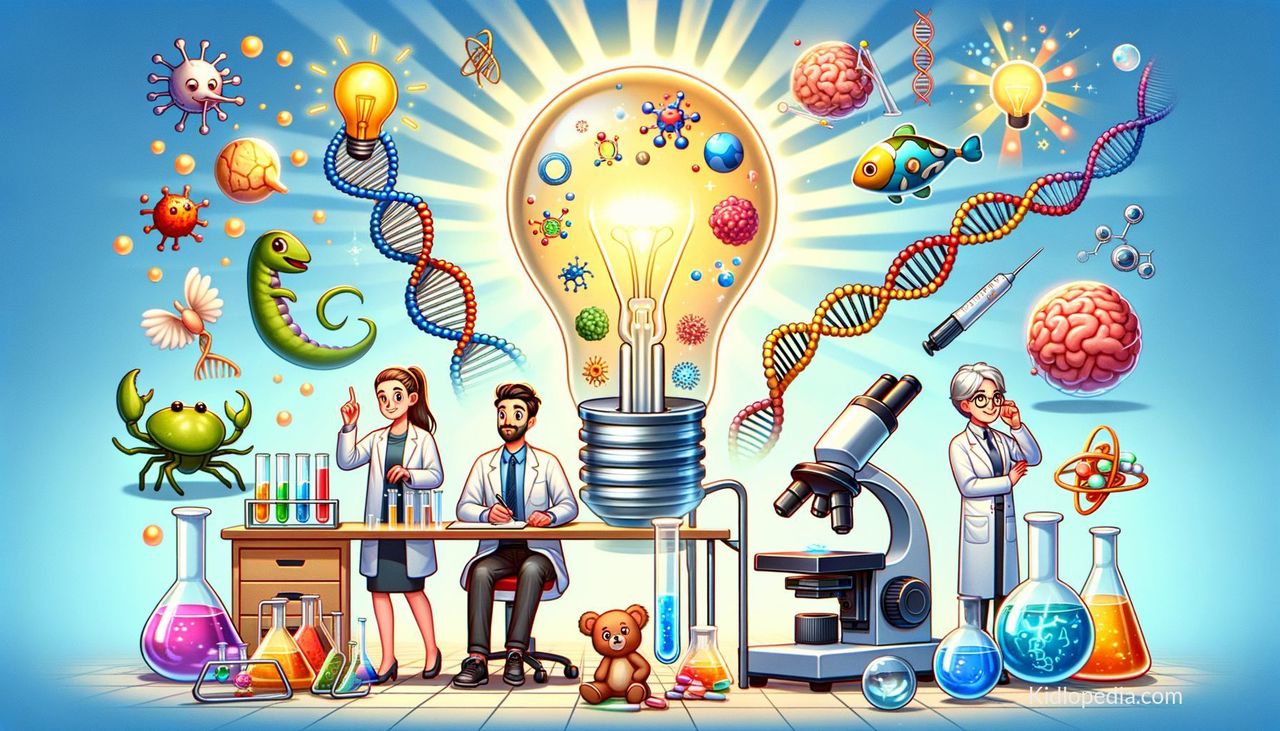
Biotechnology is the use of living organisms, cells, or biological systems to develop products and solve problems. It is important because it helps improve food production, create medicines, and contribute to the health of animals and plants. By applying biological knowledge, scientists can invent solutions that benefit our lives and the environment.
Biotechnology is the use of living organisms, cells, or biological systems to develop products and solve problems.
It combines biology and technology to improve our lives and the environment.
This science helps in many areas, such as food production, medicine, and animal health.
In agriculture, biotechnology can help grow larger, healthier crops.
For example, scientists can use good bugs to help plants grow better.
These bugs protect plants from harmful pests without the need for too many chemicals.
This means that crops can be produced more safely and sustainably, which is beneficial for both farmers and the environment.
Biotechnology also plays a crucial role in medicine.
Scientists use tiny organisms, like bacteria, to create medicines.
These medicines can cure illnesses or help people feel better when they are sick.
For instance, antibiotics are made using biotechnology to help fight infections.
Animals benefit from biotechnology too.
Scientists can create special foods and vitamins to keep them healthy.
For example, dairy cows can receive nutritional support to ensure they are strong and productive.
This helps farmers provide quality milk for people.
Another fascinating aspect of biotechnology is the study of DNA.
DNA contains the instructions for how living things are built.
Scientists can use this information to help improve health in both animals and humans.
For example, they can find ways to help animals see better by studying their DNA.
Did you know?
Scientists can create genetically modified organisms (GMOs) to develop crops that resist pests and diseases.
Also, biotechnology is used in creating biofuels, which are more environmentally friendly than fossil fuels.
To learn more exciting topics, visit Kidlopedia.com!
It combines biology and technology to improve our lives and the environment.
This science helps in many areas, such as food production, medicine, and animal health.
In agriculture, biotechnology can help grow larger, healthier crops.
For example, scientists can use good bugs to help plants grow better.
These bugs protect plants from harmful pests without the need for too many chemicals.
This means that crops can be produced more safely and sustainably, which is beneficial for both farmers and the environment.
Biotechnology also plays a crucial role in medicine.
Scientists use tiny organisms, like bacteria, to create medicines.
These medicines can cure illnesses or help people feel better when they are sick.
For instance, antibiotics are made using biotechnology to help fight infections.
Animals benefit from biotechnology too.
Scientists can create special foods and vitamins to keep them healthy.
For example, dairy cows can receive nutritional support to ensure they are strong and productive.
This helps farmers provide quality milk for people.
Another fascinating aspect of biotechnology is the study of DNA.
DNA contains the instructions for how living things are built.
Scientists can use this information to help improve health in both animals and humans.
For example, they can find ways to help animals see better by studying their DNA.
Did you know?
Scientists can create genetically modified organisms (GMOs) to develop crops that resist pests and diseases.
Also, biotechnology is used in creating biofuels, which are more environmentally friendly than fossil fuels.
To learn more exciting topics, visit Kidlopedia.com!