What is Electricity?
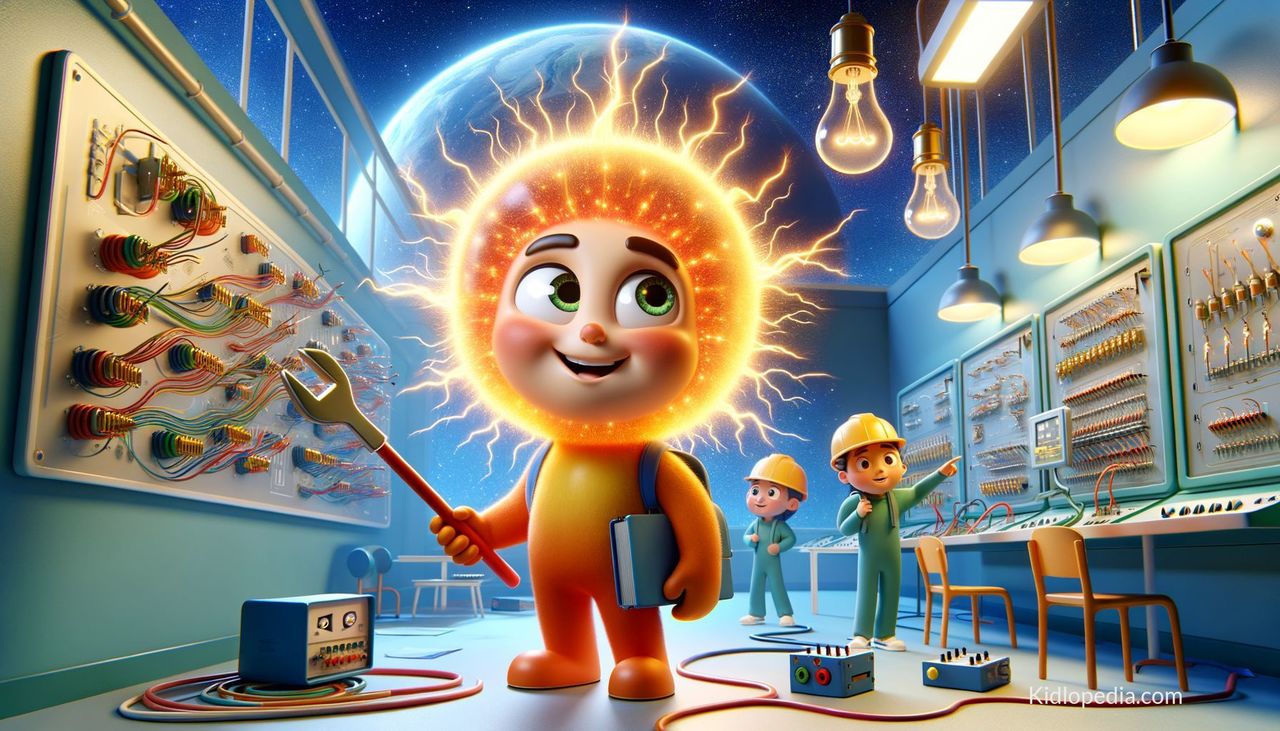
Electricity is the flow of tiny particles called electrons that move through wires and power many of the devices we use every day. We need electricity because it provides energy to light our homes, keep our food fresh in refrigerators, and is essential for operating televisions, computers, and many other machines that help us learn and have fun. Without electricity, many of the conveniences and technologies we rely on in our daily lives would not work.
Electricity is the flow of tiny particles called electrons.
Electrons move through wires and provide energy to many devices we use every day.
This energy is important for lighting our homes, cooling our food in refrigerators, and powering televisions, computers, and other machines.
Without electricity, many of the everyday tools and technologies we rely on would not work.
Electricity works by moving electrons from one place to another.
This usually happens in a loop called a circuit.
A circuit includes a power source, like a battery or a power outlet, which provides the force to move electrons.
When you flip a switch, you close the circuit and allow electricity to flow, turning on a light or starting a machine.
Electricity can come from various sources.
Power plants often generate electricity from coal, natural gas, nuclear energy, or renewable sources like wind and solar power.
Once it is generated, the electricity travels through power lines to reach homes and businesses.
We use electricity for many things.
Lights and appliances in our homes depend on electricity to work.
For example, when you turn on a lamp, electricity flows through the wires to light up the bulb.
In kitchens, refrigerators use electricity to keep food fresh and safe to eat.
Did you know?
Lightning is a natural form of electricity that can occur during storms.
A single lightning bolt can contain enough energy to power a small town for a day!
You can learn more exciting facts at Kidlopedia.com!
Electrons move through wires and provide energy to many devices we use every day.
This energy is important for lighting our homes, cooling our food in refrigerators, and powering televisions, computers, and other machines.
Without electricity, many of the everyday tools and technologies we rely on would not work.
Electricity works by moving electrons from one place to another.
This usually happens in a loop called a circuit.
A circuit includes a power source, like a battery or a power outlet, which provides the force to move electrons.
When you flip a switch, you close the circuit and allow electricity to flow, turning on a light or starting a machine.
Electricity can come from various sources.
Power plants often generate electricity from coal, natural gas, nuclear energy, or renewable sources like wind and solar power.
Once it is generated, the electricity travels through power lines to reach homes and businesses.
We use electricity for many things.
Lights and appliances in our homes depend on electricity to work.
For example, when you turn on a lamp, electricity flows through the wires to light up the bulb.
In kitchens, refrigerators use electricity to keep food fresh and safe to eat.
Did you know?
Lightning is a natural form of electricity that can occur during storms.
A single lightning bolt can contain enough energy to power a small town for a day!
You can learn more exciting facts at Kidlopedia.com!