Eco-Friendly Farming: Sustainable Agriculture
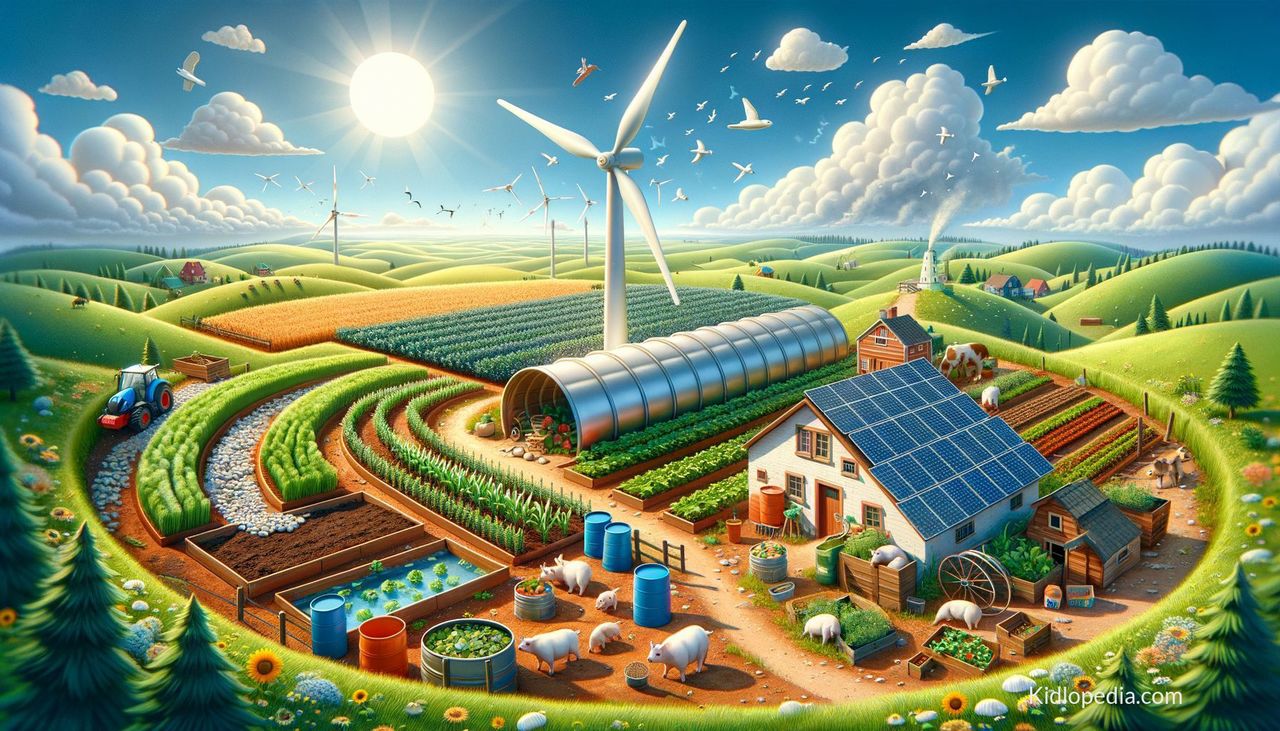
Eco-friendly farming is a way of growing food that is kind to the Earth and supports a healthy environment. It involves using methods like composting, crop rotation, and water conservation to help plants thrive without harming the planet. This type of farming is important because it helps protect natural resources, promotes biodiversity, and ensures that future generations can enjoy clean air, water, and healthy food.
Eco-friendly farming is a way of growing food that is gentle on the Earth and benefits the environment.
It uses techniques that help plants grow while protecting natural resources like soil and water.
Eco-friendly farming is important to ensure that future generations can enjoy clean air, safe water, and healthy food.
One of the key methods is composting.
Compost is made from items like leftover food scraps and yard waste.
When farmers mix compost into the soil, it provides essential nutrients for plants and improves soil health.
This helps plants to grow strong without needing chemical fertilizers that can harm the environment.
Another technique used in eco-friendly farming is crop rotation.
This means planting different types of crops in the same area over time.
Crop rotation helps keep the soil rich in nutrients and prevents soil depletion.
By not planting the same crop in the same place year after year, farmers can maintain healthy soil that grows better food.
Water conservation is also a big part of eco-friendly farming.
Farmers use methods like drip irrigation, which supplies water directly to plant roots.
This helps save water because it reduces waste.
By giving plants just the right amount of water they need, eco-friendly farming promotes sustainability.
Eco-friendly farmers also encourage biodiversity.
This means having a variety of plants and animals on the farm.
Certain insects, like ladybugs and beneficial birds, help control pests without harmful chemicals.
This creates a balanced ecosystem where nature supports itself.
Did you know that composting can reduce waste in landfills by up to 30%?
Also, by using eco-friendly practices, farmers can grow food without harming the environment.
Explore more exciting topics at Kidlopedia.com!
It uses techniques that help plants grow while protecting natural resources like soil and water.
Eco-friendly farming is important to ensure that future generations can enjoy clean air, safe water, and healthy food.
One of the key methods is composting.
Compost is made from items like leftover food scraps and yard waste.
When farmers mix compost into the soil, it provides essential nutrients for plants and improves soil health.
This helps plants to grow strong without needing chemical fertilizers that can harm the environment.
Another technique used in eco-friendly farming is crop rotation.
This means planting different types of crops in the same area over time.
Crop rotation helps keep the soil rich in nutrients and prevents soil depletion.
By not planting the same crop in the same place year after year, farmers can maintain healthy soil that grows better food.
Water conservation is also a big part of eco-friendly farming.
Farmers use methods like drip irrigation, which supplies water directly to plant roots.
This helps save water because it reduces waste.
By giving plants just the right amount of water they need, eco-friendly farming promotes sustainability.
Eco-friendly farmers also encourage biodiversity.
This means having a variety of plants and animals on the farm.
Certain insects, like ladybugs and beneficial birds, help control pests without harmful chemicals.
This creates a balanced ecosystem where nature supports itself.
Did you know that composting can reduce waste in landfills by up to 30%?
Also, by using eco-friendly practices, farmers can grow food without harming the environment.
Explore more exciting topics at Kidlopedia.com!