Protecting Species: Wildlife Preservation
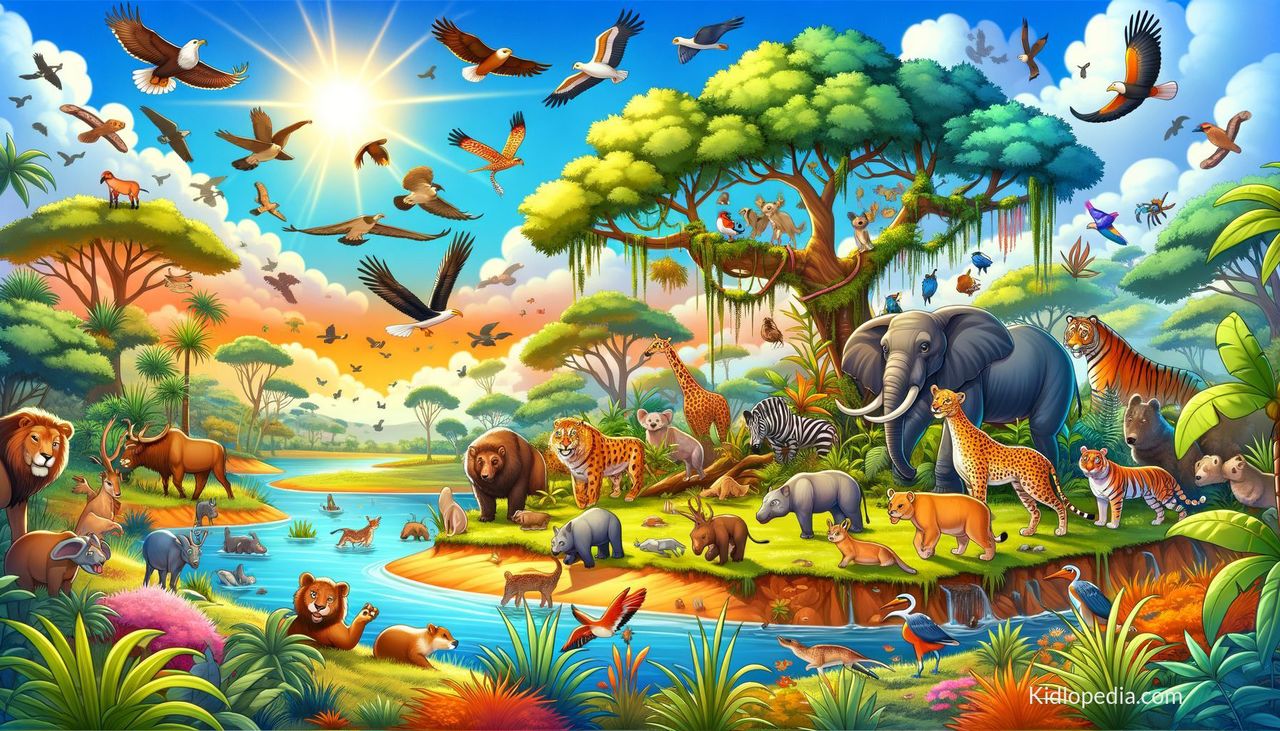
Wildlife preservation is the practice of protecting endangered and threatened species and their habitats to ensure their survival. It is important because every species plays a unique role in its ecosystem, helping to maintain balance and support life. By protecting animals and plants, we help preserve biodiversity, which is essential for a healthy environment and the well-being of all living things.
Wildlife preservation is the practice of protecting endangered and threatened species and their habitats.
Endangered species are animals or plants that are at risk of disappearing from Earth.
Their habitats are the natural environments where they live.
Preserving wildlife is essential for maintaining the balance of ecosystems, where different plants and animals depend on each other for survival.
Every species plays a unique role in its ecosystem.
For example, bees help flowers grow by carrying pollen.
Without bees, many plants would not produce fruits and seeds.
Similarly, larger animals, like deer, help control the growth of plants to prevent any one type from dominating the area.
This balance contributes to a healthy environment.
When we protect wildlife, we also protect the biodiversity of our planet.
Biodiversity means the variety of life in a particular habitat.
It is important because it helps ecosystems function properly.
Healthy ecosystems provide clean air, water, and food for all living beings, including humans.
There are many ways we can help with wildlife preservation.
We can support laws that protect animals, create safe habitats, and educate others about the importance of wildlife.
Simple actions, like picking up litter in nature and planting trees, can make a big difference for local animals.
Did you know that some species, like the California condor, were almost extinct but have been brought back through serious conservation efforts?
Also, many plants are important for medicine and are only found in specific habitats that need protecting!
To learn more about protecting wildlife and other fascinating topics, visit Kidlopedia.com.
Endangered species are animals or plants that are at risk of disappearing from Earth.
Their habitats are the natural environments where they live.
Preserving wildlife is essential for maintaining the balance of ecosystems, where different plants and animals depend on each other for survival.
Every species plays a unique role in its ecosystem.
For example, bees help flowers grow by carrying pollen.
Without bees, many plants would not produce fruits and seeds.
Similarly, larger animals, like deer, help control the growth of plants to prevent any one type from dominating the area.
This balance contributes to a healthy environment.
When we protect wildlife, we also protect the biodiversity of our planet.
Biodiversity means the variety of life in a particular habitat.
It is important because it helps ecosystems function properly.
Healthy ecosystems provide clean air, water, and food for all living beings, including humans.
There are many ways we can help with wildlife preservation.
We can support laws that protect animals, create safe habitats, and educate others about the importance of wildlife.
Simple actions, like picking up litter in nature and planting trees, can make a big difference for local animals.
Did you know that some species, like the California condor, were almost extinct but have been brought back through serious conservation efforts?
Also, many plants are important for medicine and are only found in specific habitats that need protecting!
To learn more about protecting wildlife and other fascinating topics, visit Kidlopedia.com.