Analyzing Information: Critical Thinking
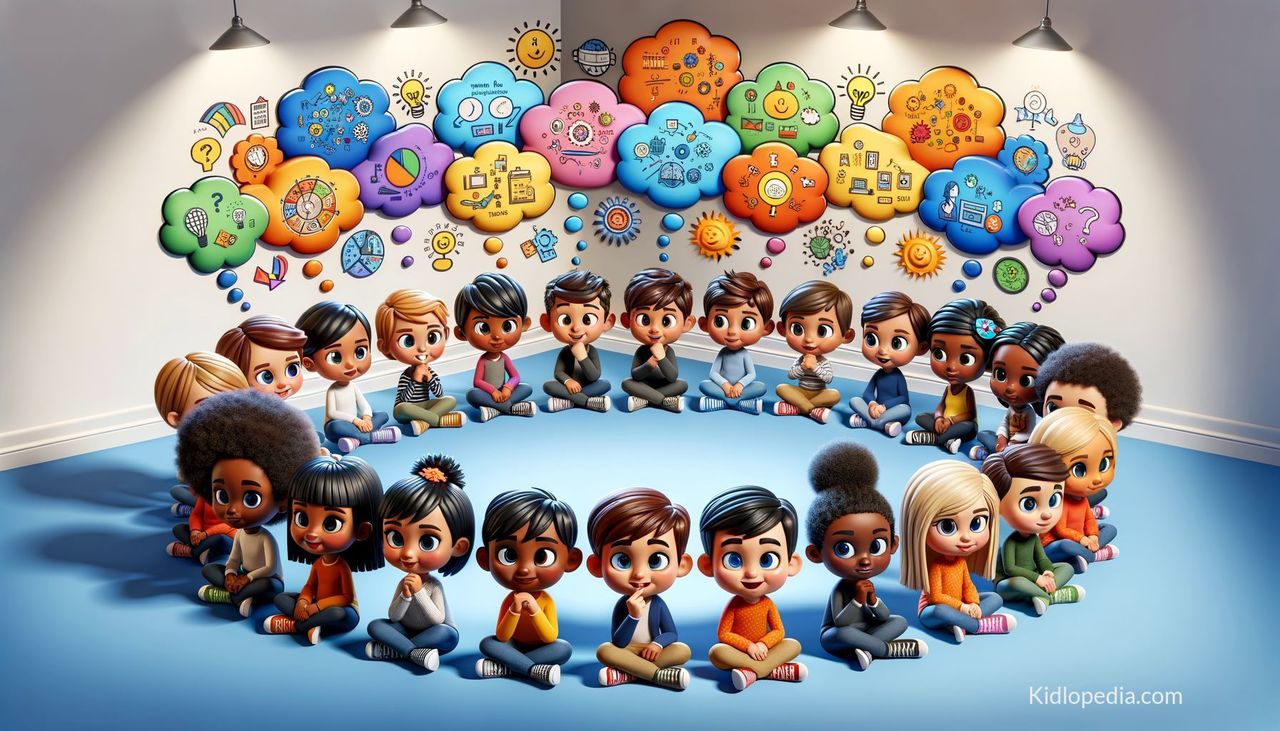

Critical thinking is the ability to analyze information or situations carefully and make reasoned decisions. It is important because it helps people solve problems, understand complex ideas, and make informed choices. By asking questions, breaking down challenges, and staying calm, anyone can develop clearer thinking skills.
Critical thinking is the ability to analyze information or situations carefully and make reasoned decisions.
It involves examining facts, asking questions, and considering different viewpoints.
Critical thinking is important because it helps people solve problems, understand complex ideas, and make informed choices.
To think critically, start by asking questions.
Questions help clarify information and uncover details.
For instance, if you hear a news story, you might ask: "Who is affected by this?
What are the facts?
Why is this important?" Asking questions allows you to gather more information before jumping to conclusions.
Next, break down the situation or problem.
Instead of looking at everything all at once, divide it into smaller parts.
This makes it easier to understand and tackle each section one at a time.
For example, if you're trying to plan an event, focus on each task separately, like finding a location, creating invitations, and organizing activities.
Another important part of critical thinking is staying calm and focused.
When you feel stressed or overwhelmed, it can be hard to think clearly.
Take deep breaths to relax.
A quiet space can also help you think without distractions.
This way, you can approach problems more rationally and make better decisions.
Did you know that critical thinking skills can be developed through practice?
Simple activities like solving puzzles, reading, or discussing topics with others can strengthen these skills.
It’s also useful in everyday life, from academic challenges to personal decisions.
Explore more topics about how to think critically at Kidlopedia.com!
It involves examining facts, asking questions, and considering different viewpoints.
Critical thinking is important because it helps people solve problems, understand complex ideas, and make informed choices.
To think critically, start by asking questions.
Questions help clarify information and uncover details.
For instance, if you hear a news story, you might ask: "Who is affected by this?
What are the facts?
Why is this important?" Asking questions allows you to gather more information before jumping to conclusions.
Next, break down the situation or problem.
Instead of looking at everything all at once, divide it into smaller parts.
This makes it easier to understand and tackle each section one at a time.
For example, if you're trying to plan an event, focus on each task separately, like finding a location, creating invitations, and organizing activities.
Another important part of critical thinking is staying calm and focused.
When you feel stressed or overwhelmed, it can be hard to think clearly.
Take deep breaths to relax.
A quiet space can also help you think without distractions.
This way, you can approach problems more rationally and make better decisions.
Did you know that critical thinking skills can be developed through practice?
Simple activities like solving puzzles, reading, or discussing topics with others can strengthen these skills.
It’s also useful in everyday life, from academic challenges to personal decisions.
Explore more topics about how to think critically at Kidlopedia.com!