Small Innovations: Nanotechnology
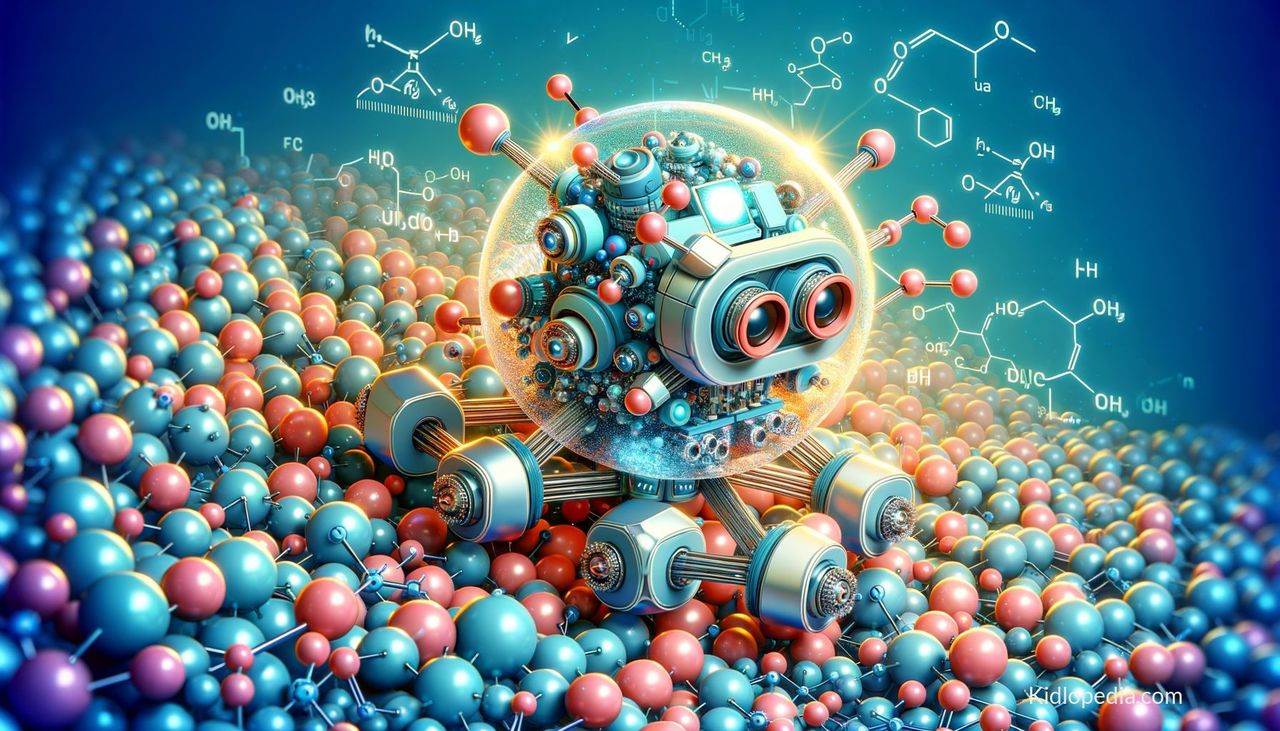
Nanobots are extremely small robots designed to perform specific tasks at the nanoscale, which is a billionth of a meter. Because they are so tiny, they can be used in various fields like medicine to deliver drugs directly to cells, or in environmental science to clean up pollution. Understanding nanobots helps us see how even the smallest technologies can have a big impact on our health and the planet.
Nanobots are extremely small robots designed to perform specific tasks at the nanoscale, which is a billionth of a meter.
This means they are so tiny that you could fit about 50,000 of them across a single human hair! Because of their small size, nanobots can be used in many different areas, especially in medicine and environmental science.
In medicine, nanobots can travel inside the human body.
They can deliver drugs directly to cells that need help.
For example, if someone has an infection, nanobots can find the harmful germs and help attack them.
This approach allows for more effective treatment and can reduce side effects for the patient.
In environmental science, nanobots can clean up pollution.
They can go into the air, water, or soil and break down harmful substances.
Imagine how they can catch tiny bits of trash or chemical pollutants and help make the environment cleaner and safer.
This is important for the health of our planet.
Nanobots work through programming by scientists.
This means that they are given instructions on what tasks to perform.
The small size of nanobots allows them to reach places that bigger machines cannot.
They can be seen as helpful tools that improve health and protect the environment.
Did you know that nanotechnology is used not just in medicine, but also in creating stronger materials and improving electronics?
It is a rapidly growing field that holds a lot of potential for the future!
For more exciting topics, visit Kidlopedia.com!
This means they are so tiny that you could fit about 50,000 of them across a single human hair! Because of their small size, nanobots can be used in many different areas, especially in medicine and environmental science.
In medicine, nanobots can travel inside the human body.
They can deliver drugs directly to cells that need help.
For example, if someone has an infection, nanobots can find the harmful germs and help attack them.
This approach allows for more effective treatment and can reduce side effects for the patient.
In environmental science, nanobots can clean up pollution.
They can go into the air, water, or soil and break down harmful substances.
Imagine how they can catch tiny bits of trash or chemical pollutants and help make the environment cleaner and safer.
This is important for the health of our planet.
Nanobots work through programming by scientists.
This means that they are given instructions on what tasks to perform.
The small size of nanobots allows them to reach places that bigger machines cannot.
They can be seen as helpful tools that improve health and protect the environment.
Did you know that nanotechnology is used not just in medicine, but also in creating stronger materials and improving electronics?
It is a rapidly growing field that holds a lot of potential for the future!
For more exciting topics, visit Kidlopedia.com!