Enriching Soil: Composting
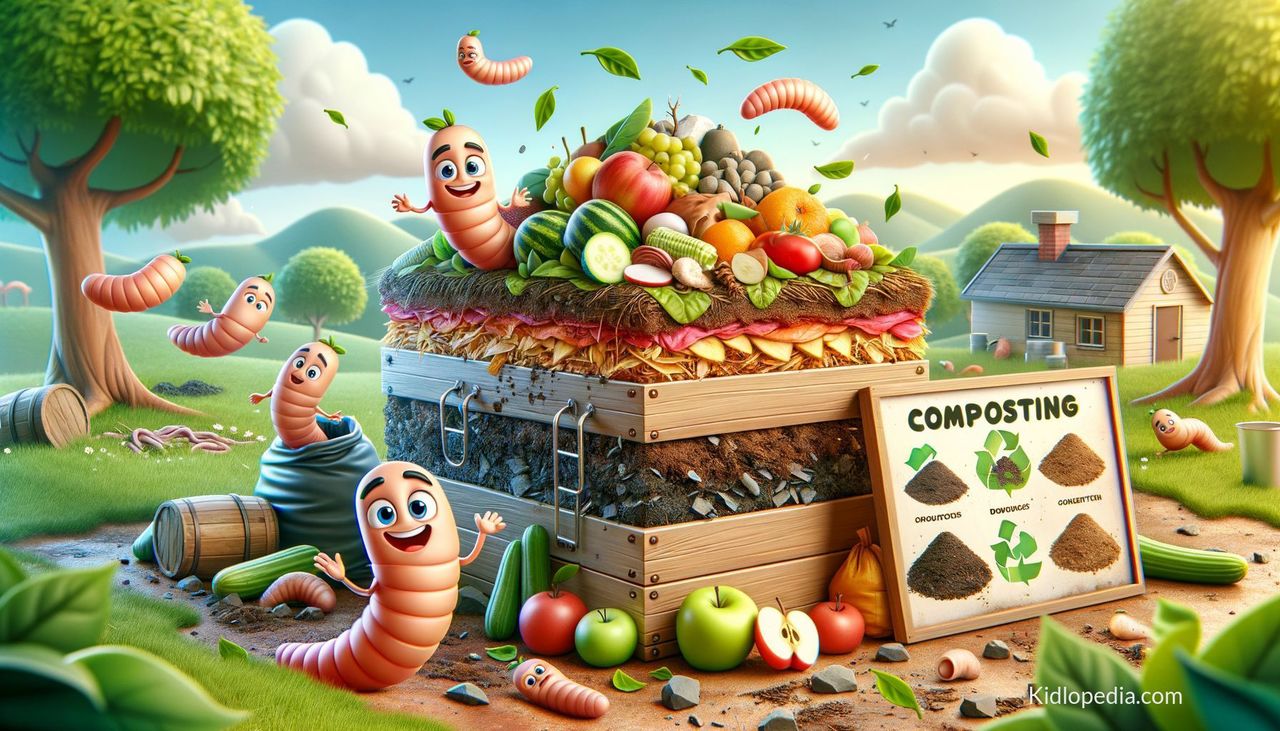
Composting is the process of using kitchen scraps, yard waste, and other organic materials to create rich soil. It helps recycle nutrients back into the earth, improving soil quality and supporting plant growth. Composting is important because it reduces waste and helps keep our environment healthy.
Composting is the process of breaking down kitchen scraps, yard waste, and other organic materials to create rich soil.
It turns leftover food and plant materials into a nutrient-filled substance known as compost.
This process is important because it helps recycle nutrients back into the soil, which can improve soil quality and support plant growth.
To start composting, you need to gather organic materials.
Common items used for composting include fruit and vegetable peels, coffee grounds, eggshells, grass clippings, and leaves.
It is important to avoid adding meat, dairy, and oily foods, as these can attract pests and create bad odors.
Once you have your materials, you put them in a compost bin or pile in your backyard.
As the organic materials break down, microorganisms, worms, and insects help decompose them.
These tiny creatures eat the scraps and turn them into compost over time.
The process usually takes a few weeks to several months.
The compost pile should be kept moist and turned regularly to provide air, which helps speed up decomposition.
When the compost is ready, it will look dark, crumbly, and smell earthy.
This nutrient-rich compost can be added to gardens, potted plants, and lawns.
It acts like food for plants, helping them grow stronger and healthier.
Using compost can reduce the need for chemical fertilizers, making it better for the environment.
Did you know that composting can reduce the amount of waste sent to landfills by 30%?
Also, a single compost pile can create enough rich soil to nourish a whole garden full of vegetables and flowers!
You can learn more about fascinating topics at Kidlopedia.com.
It turns leftover food and plant materials into a nutrient-filled substance known as compost.
This process is important because it helps recycle nutrients back into the soil, which can improve soil quality and support plant growth.
To start composting, you need to gather organic materials.
Common items used for composting include fruit and vegetable peels, coffee grounds, eggshells, grass clippings, and leaves.
It is important to avoid adding meat, dairy, and oily foods, as these can attract pests and create bad odors.
Once you have your materials, you put them in a compost bin or pile in your backyard.
As the organic materials break down, microorganisms, worms, and insects help decompose them.
These tiny creatures eat the scraps and turn them into compost over time.
The process usually takes a few weeks to several months.
The compost pile should be kept moist and turned regularly to provide air, which helps speed up decomposition.
When the compost is ready, it will look dark, crumbly, and smell earthy.
This nutrient-rich compost can be added to gardens, potted plants, and lawns.
It acts like food for plants, helping them grow stronger and healthier.
Using compost can reduce the need for chemical fertilizers, making it better for the environment.
Did you know that composting can reduce the amount of waste sent to landfills by 30%?
Also, a single compost pile can create enough rich soil to nourish a whole garden full of vegetables and flowers!
You can learn more about fascinating topics at Kidlopedia.com.