Multiple Universes: The Multiverse
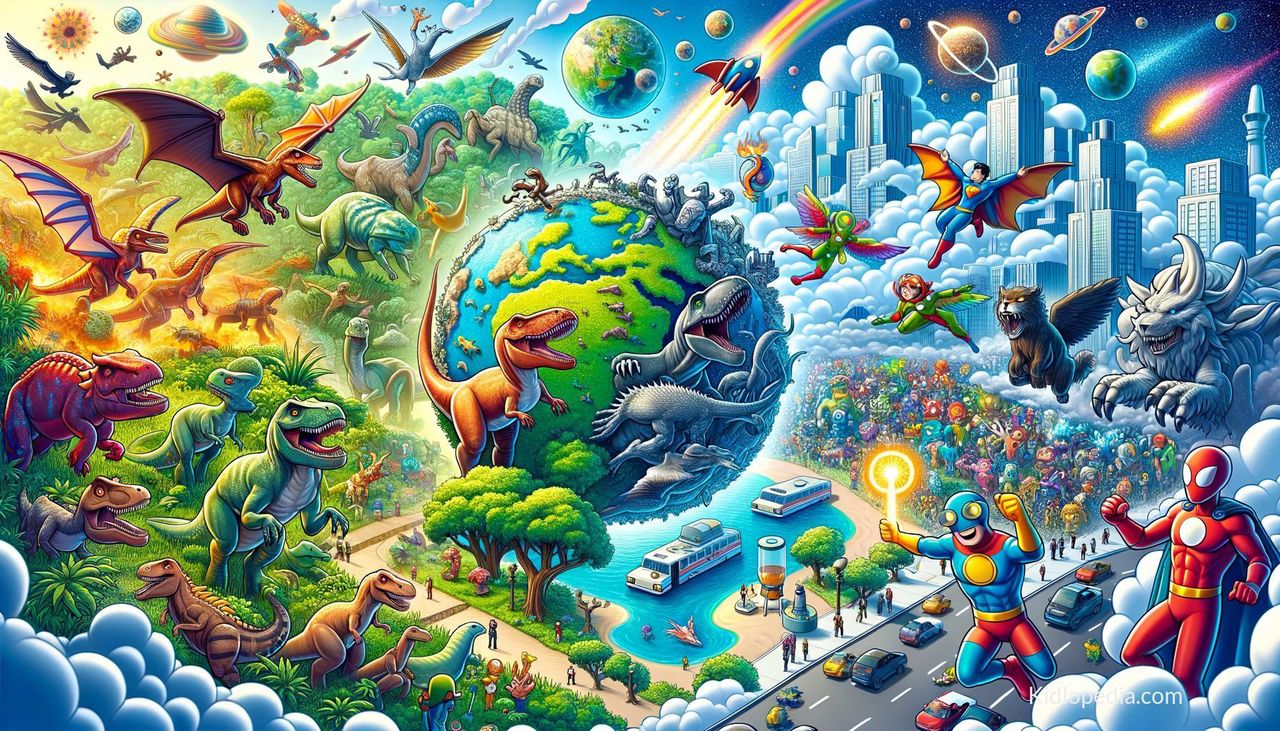
Multiple Universes, or the Multiverse, are the idea that there could be many different universes existing alongside our own. Each universe may have its own unique properties, such as different laws of physics, creatures, and even alternative versions of history. Understanding the multiverse helps scientists explore complex questions about the cosmos and the nature of reality.
Multiple Universes, or the Multiverse, are a concept in science that suggests there are many different universes existing at the same time as our own.
Each universe could have its own set of rules and different forms of life, making them unique.
This idea helps scientists think about big questions about how everything works in the cosmos.
In the multiverse theory, each universe can have different physical laws.
For example, one universe might have gravity that pulls things together more strongly, while another might have much weaker gravity.
Some universes might even have completely different elements or forces.
This means that the possibilities are endless!
Scientists study the multiverse to explore ideas we cannot see directly.
They look at the patterns of our own universe and wonder what else could be out there.
Some theories suggest that every time a choice is made, a new universe is created where a different choice was made.
This means that there could be an infinite number of versions of you living in different universes.
The idea of the multiverse is still being researched and debated.
Many scientists agree that it can help explain some mysteries about our own universe, like why certain constants in physics have the values they do.
However, it remains a challenging topic because we cannot directly observe other universes.
Did you know?
Some researchers think there could be universes where time flows differently or where the laws of physics are completely opposite to ours.
Another interesting fact is that the concept of the multiverse has also been popularized in movies and comic books, showing how fascinating this topic can be!
To learn more about exciting topics like this, visit Kidlopedia.com!
Each universe could have its own set of rules and different forms of life, making them unique.
This idea helps scientists think about big questions about how everything works in the cosmos.
In the multiverse theory, each universe can have different physical laws.
For example, one universe might have gravity that pulls things together more strongly, while another might have much weaker gravity.
Some universes might even have completely different elements or forces.
This means that the possibilities are endless!
Scientists study the multiverse to explore ideas we cannot see directly.
They look at the patterns of our own universe and wonder what else could be out there.
Some theories suggest that every time a choice is made, a new universe is created where a different choice was made.
This means that there could be an infinite number of versions of you living in different universes.
The idea of the multiverse is still being researched and debated.
Many scientists agree that it can help explain some mysteries about our own universe, like why certain constants in physics have the values they do.
However, it remains a challenging topic because we cannot directly observe other universes.
Did you know?
Some researchers think there could be universes where time flows differently or where the laws of physics are completely opposite to ours.
Another interesting fact is that the concept of the multiverse has also been popularized in movies and comic books, showing how fascinating this topic can be!
To learn more about exciting topics like this, visit Kidlopedia.com!