Protecting Privacy: Social Media Safety
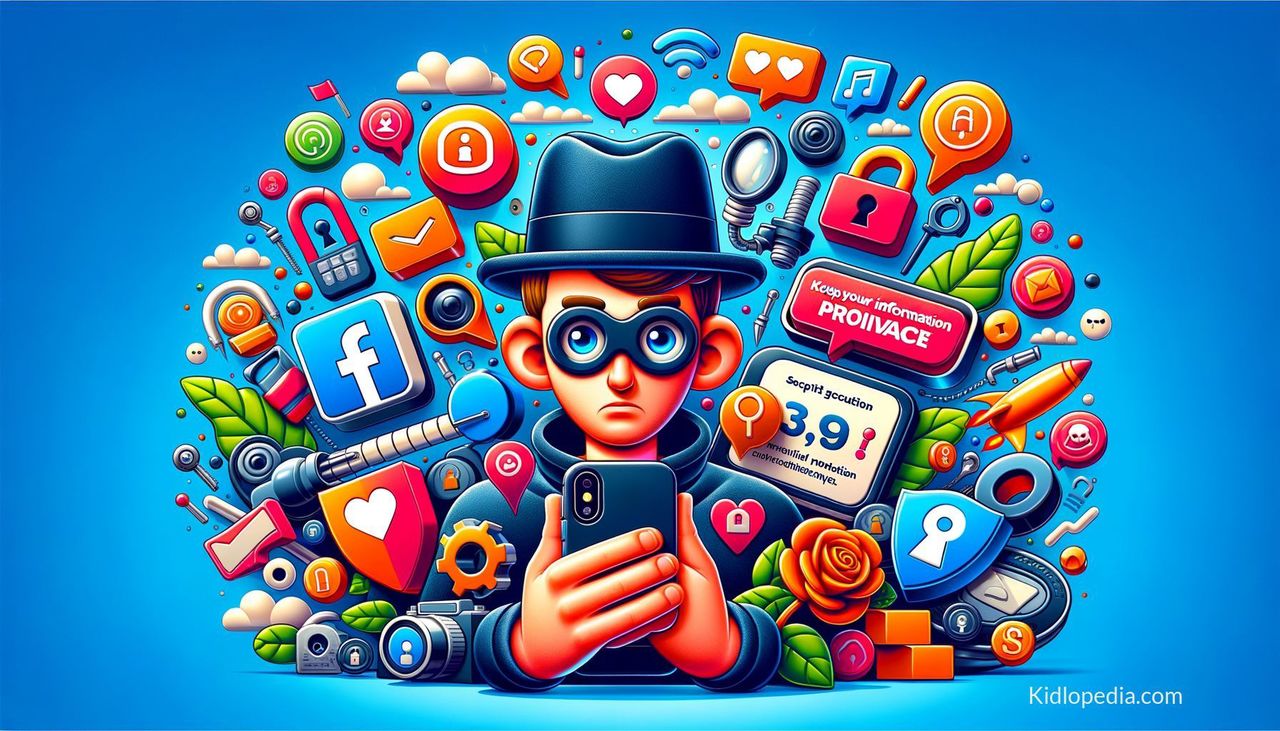

Protecting privacy means keeping personal information safe and secure when using the Internet and social media. It is important because sharing too much about yourself can lead to strangers learning private details, which might put you in danger or make you feel uncomfortable. By keeping your information private, you help ensure your safety and well-being while enjoying online activities.
Protecting privacy means keeping personal information safe when using the Internet and social media.
This is especially important for children.
Sharing too much can help strangers learn things that should remain private, which can lead to danger or make someone uncomfortable.
By protecting your information, you can enjoy online activities safely.
When using social media, it's important to think before you post.
Always ask for permission from a parent or guardian before sharing pictures or information about yourself.
This helps you make sure that what you share is safe.
Remember, once something is shared online, it can be hard to take back.
There are some key rules to follow for social media safety.
First, do not share your full name, address, home phone number, or school name.
This information can help strangers find you.
Second, use a nickname instead of your real name when creating profiles.
This makes it harder for someone to know your true identity.
Third, share only the things that you would not mind everyone seeing.
Setting privacy settings on your social media accounts is also very important.
These settings allow you to control who can see your posts and pictures.
By adjusting these settings, you can ensure that only your friends can view your information.
Did you know that over 70% of kids have shared personal information online without knowing the risks?
Also, many social media apps allow you to report inappropriate content or block unwanted users to keep you safe.
For more fun topics, visit Kidlopedia.com!
This is especially important for children.
Sharing too much can help strangers learn things that should remain private, which can lead to danger or make someone uncomfortable.
By protecting your information, you can enjoy online activities safely.
When using social media, it's important to think before you post.
Always ask for permission from a parent or guardian before sharing pictures or information about yourself.
This helps you make sure that what you share is safe.
Remember, once something is shared online, it can be hard to take back.
There are some key rules to follow for social media safety.
First, do not share your full name, address, home phone number, or school name.
This information can help strangers find you.
Second, use a nickname instead of your real name when creating profiles.
This makes it harder for someone to know your true identity.
Third, share only the things that you would not mind everyone seeing.
Setting privacy settings on your social media accounts is also very important.
These settings allow you to control who can see your posts and pictures.
By adjusting these settings, you can ensure that only your friends can view your information.
Did you know that over 70% of kids have shared personal information online without knowing the risks?
Also, many social media apps allow you to report inappropriate content or block unwanted users to keep you safe.
For more fun topics, visit Kidlopedia.com!