Study of Animals: Zoology
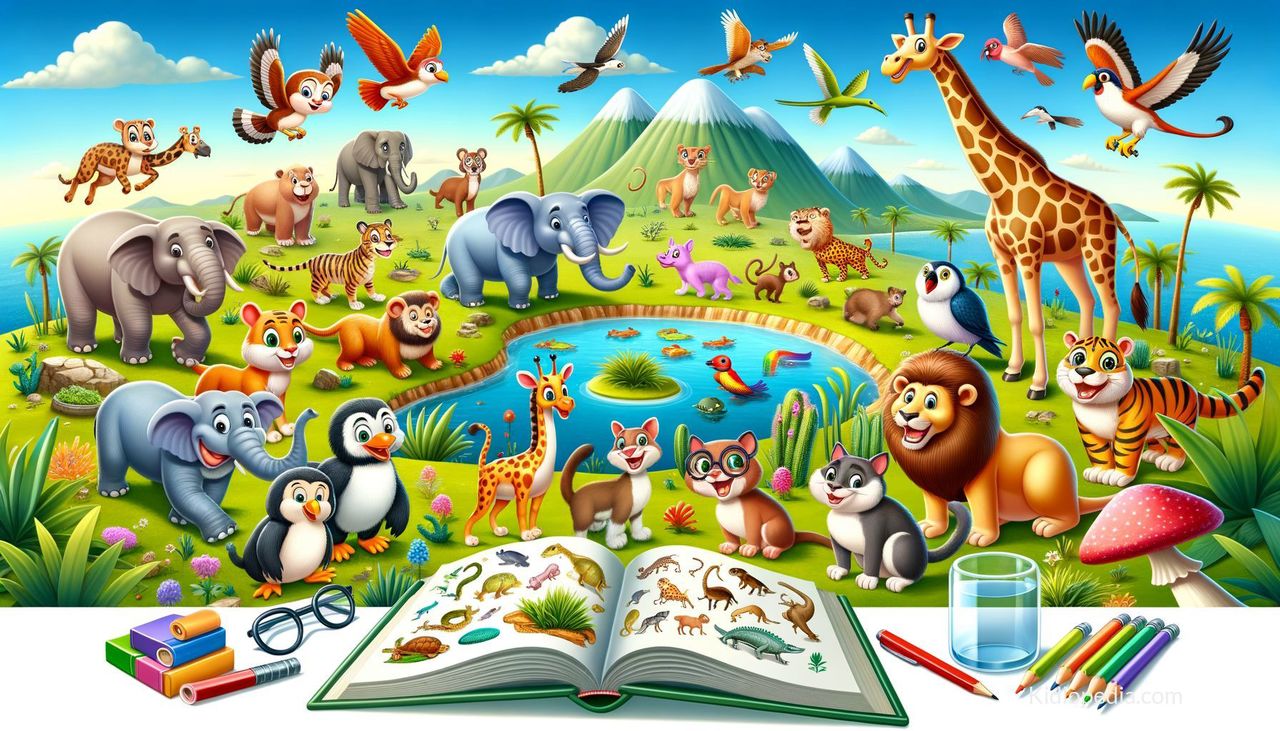
Zoology is the scientific study of animals, including their behavior, biology, and habitats. It helps us understand the many ways animals are unique, such as how they move, what they eat, and how they communicate. Studying zoology is important because it informs conservation efforts and helps us learn how to protect different animal species.
Zoology is the scientific study of animals.
This field explores how animals behave, how their bodies work, and where they live.
Zoologists, or people who study zoology, observe animals in their natural habitats and sometimes in controlled environments like zoos.
One important part of zoology is understanding animal behavior.
Animals have different ways of moving, eating, and communicating.
For example, cheetahs run quickly to catch their prey, while sloths move very slowly.
This study helps us learn why certain animals are built for specific tasks, like flying, swimming, or hunting.
Zoologists also look at the biology of animals.
They study how animals grow, reproduce, and interact with their environments.
For example, they might examine how fish breathe in water with gills or how mammals breathe air with lungs.
This knowledge is crucial for understanding the life cycle of animals and their roles in ecosystems.
Another key area of zoology is animal habitats.
Each species has a habitat that suits its needs, such as a forest, desert, or ocean.
By studying these habitats, zoologists can learn about how animals adapt and thrive in their environments.
They can also identify threats like climate change and habitat loss, which can impact animal survival.
Did you know that there are over 8.7 million different species of animals on Earth?
Some of these are yet to be discovered! Also, zoology plays a vital role in conservation, helping us protect endangered species and maintain biodiversity.
Explore more fascinating topics at Kidlopedia.com!
This field explores how animals behave, how their bodies work, and where they live.
Zoologists, or people who study zoology, observe animals in their natural habitats and sometimes in controlled environments like zoos.
One important part of zoology is understanding animal behavior.
Animals have different ways of moving, eating, and communicating.
For example, cheetahs run quickly to catch their prey, while sloths move very slowly.
This study helps us learn why certain animals are built for specific tasks, like flying, swimming, or hunting.
Zoologists also look at the biology of animals.
They study how animals grow, reproduce, and interact with their environments.
For example, they might examine how fish breathe in water with gills or how mammals breathe air with lungs.
This knowledge is crucial for understanding the life cycle of animals and their roles in ecosystems.
Another key area of zoology is animal habitats.
Each species has a habitat that suits its needs, such as a forest, desert, or ocean.
By studying these habitats, zoologists can learn about how animals adapt and thrive in their environments.
They can also identify threats like climate change and habitat loss, which can impact animal survival.
Did you know that there are over 8.7 million different species of animals on Earth?
Some of these are yet to be discovered! Also, zoology plays a vital role in conservation, helping us protect endangered species and maintain biodiversity.
Explore more fascinating topics at Kidlopedia.com!