Reducing Waste: Recycling
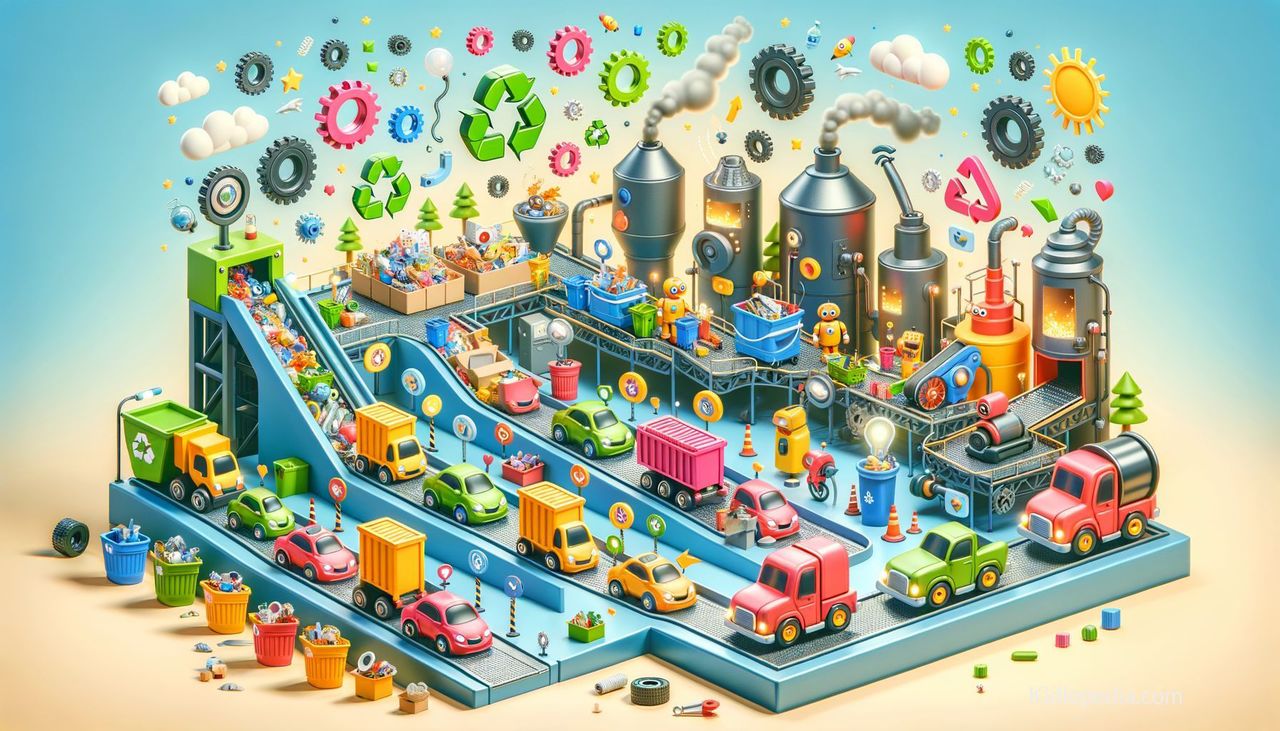
Recycling is the process of collecting and processing materials that would otherwise be thrown away as waste and turning them into new products. It is important because it helps reduce the amount of waste in landfills, saves energy, and conserves natural resources like trees and minerals. By recycling, we can protect our environment and make sure that valuable materials are reused instead of discarded.
Recycling is the process of collecting materials that people no longer want and turning them into new products.
This process helps to reduce waste that would otherwise fill landfills.
By recycling, we can save energy and protect natural resources like trees, water, and minerals.
When we recycle, we first need to sort our waste.
Trash can be divided into different categories, such as paper, plastic, and metal.
Each type of material is collected and sent to recycling facilities.
At these facilities, workers and machines clean and process the materials.
For example, paper is pulped and turned into new sheets, while plastic is melted down to create new items.
Recycling is important for three main reasons.
First, it helps reduce waste.
If everyone threw everything away, there would be huge piles of garbage.
By recycling, we keep usable items out of the trash.
Second, recycling saves energy.
It usually takes less energy to make new things from recycled materials than from raw resources.
This means factories don't have to use as much energy, which is better for our planet.
Finally, recycling protects natural resources.
When we recycle, we lessen the need to harvest new resources and can help keep our environment safe.
Did you know that recycling one ton of paper can save about 17 trees?
Also, recycling just one aluminum can saves enough energy to power a TV for three hours!
To learn more exciting topics like this, visit Kidlopedia.com!
This process helps to reduce waste that would otherwise fill landfills.
By recycling, we can save energy and protect natural resources like trees, water, and minerals.
When we recycle, we first need to sort our waste.
Trash can be divided into different categories, such as paper, plastic, and metal.
Each type of material is collected and sent to recycling facilities.
At these facilities, workers and machines clean and process the materials.
For example, paper is pulped and turned into new sheets, while plastic is melted down to create new items.
Recycling is important for three main reasons.
First, it helps reduce waste.
If everyone threw everything away, there would be huge piles of garbage.
By recycling, we keep usable items out of the trash.
Second, recycling saves energy.
It usually takes less energy to make new things from recycled materials than from raw resources.
This means factories don't have to use as much energy, which is better for our planet.
Finally, recycling protects natural resources.
When we recycle, we lessen the need to harvest new resources and can help keep our environment safe.
Did you know that recycling one ton of paper can save about 17 trees?
Also, recycling just one aluminum can saves enough energy to power a TV for three hours!
To learn more exciting topics like this, visit Kidlopedia.com!