Traditions and Customs: Cultural Heritage
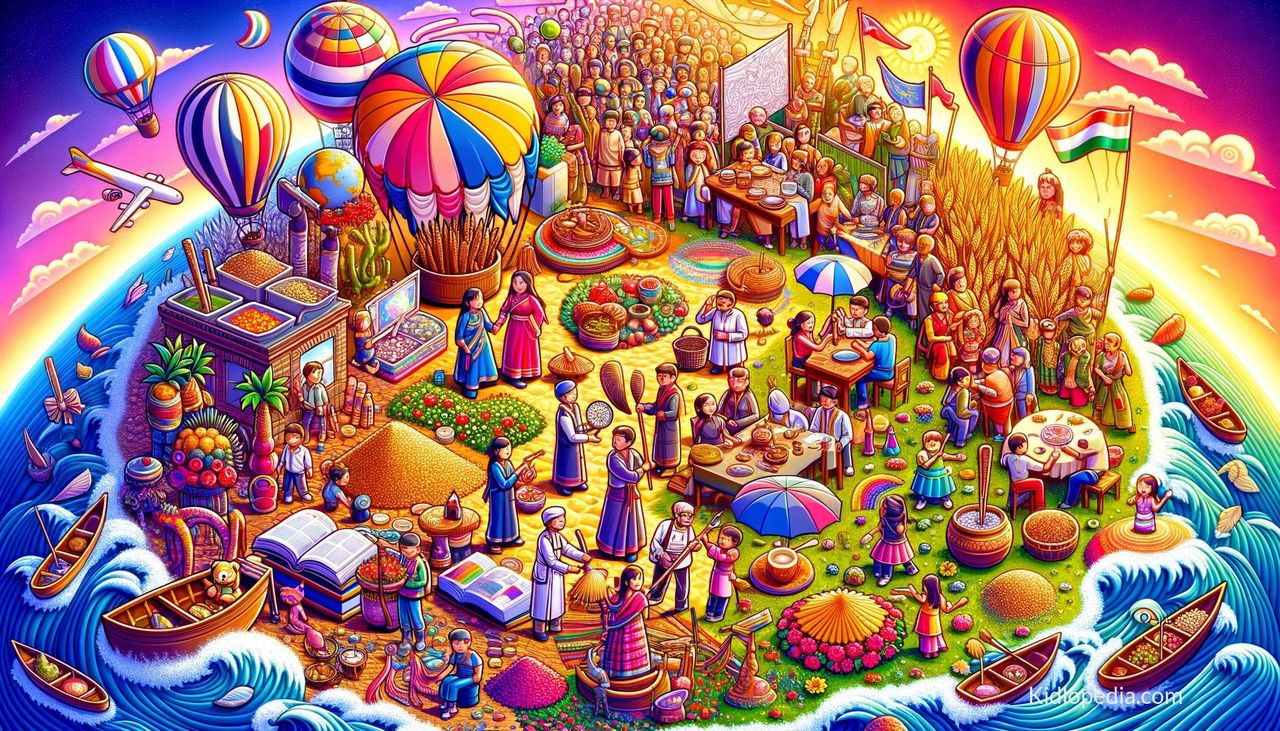
Traditions are special activities or practices that are repeated over time within a culture or community. They help people remember important events, connect with one another, and pass down stories and values from one generation to the next. Traditions matter because they build a sense of belonging and identity, making our lives richer and more meaningful.
Traditions are activities or practices that are repeated over time within a culture or community.
They are important because they help people remember significant events, connect with each other, and share stories and values across generations.
Traditions create a sense of belonging and identity, making our lives more meaningful.
Traditions can include many different activities.
In some cultures, people celebrate holidays with special meals.
They may wear traditional clothing, sing songs, or dance.
These activities can be passed down from parents to children.
For example, a family might have a special recipe that has been used for generations, such as a favorite dish eaten during festive occasions.
Celebrating a tradition often brings the community together.
During traditional events, people gather to enjoy each other’s company, which strengthens their connections.
Festivals, ceremonies, and community gatherings are all ways that traditions are expressed.
People often feel a sense of pride when participating, as it ties them to their heritage.
Traditions also help preserve history.
They tell us about our ancestors and their way of life.
Through stories, songs, and dances passed down, each generation learns about what came before them.
This knowledge helps shape who we are today.
Did you know that many countries have national holidays that celebrate their unique traditions?
For example, Thanksgiving in the United States includes family gatherings and special meals, while Diwali in India is celebrated with lights and fireworks.
Explore more interesting topics about traditions and customs at Kidlopedia.com!
They are important because they help people remember significant events, connect with each other, and share stories and values across generations.
Traditions create a sense of belonging and identity, making our lives more meaningful.
Traditions can include many different activities.
In some cultures, people celebrate holidays with special meals.
They may wear traditional clothing, sing songs, or dance.
These activities can be passed down from parents to children.
For example, a family might have a special recipe that has been used for generations, such as a favorite dish eaten during festive occasions.
Celebrating a tradition often brings the community together.
During traditional events, people gather to enjoy each other’s company, which strengthens their connections.
Festivals, ceremonies, and community gatherings are all ways that traditions are expressed.
People often feel a sense of pride when participating, as it ties them to their heritage.
Traditions also help preserve history.
They tell us about our ancestors and their way of life.
Through stories, songs, and dances passed down, each generation learns about what came before them.
This knowledge helps shape who we are today.
Did you know that many countries have national holidays that celebrate their unique traditions?
For example, Thanksgiving in the United States includes family gatherings and special meals, while Diwali in India is celebrated with lights and fireworks.
Explore more interesting topics about traditions and customs at Kidlopedia.com!