Cosmic Computation: The Matrioshka Brain
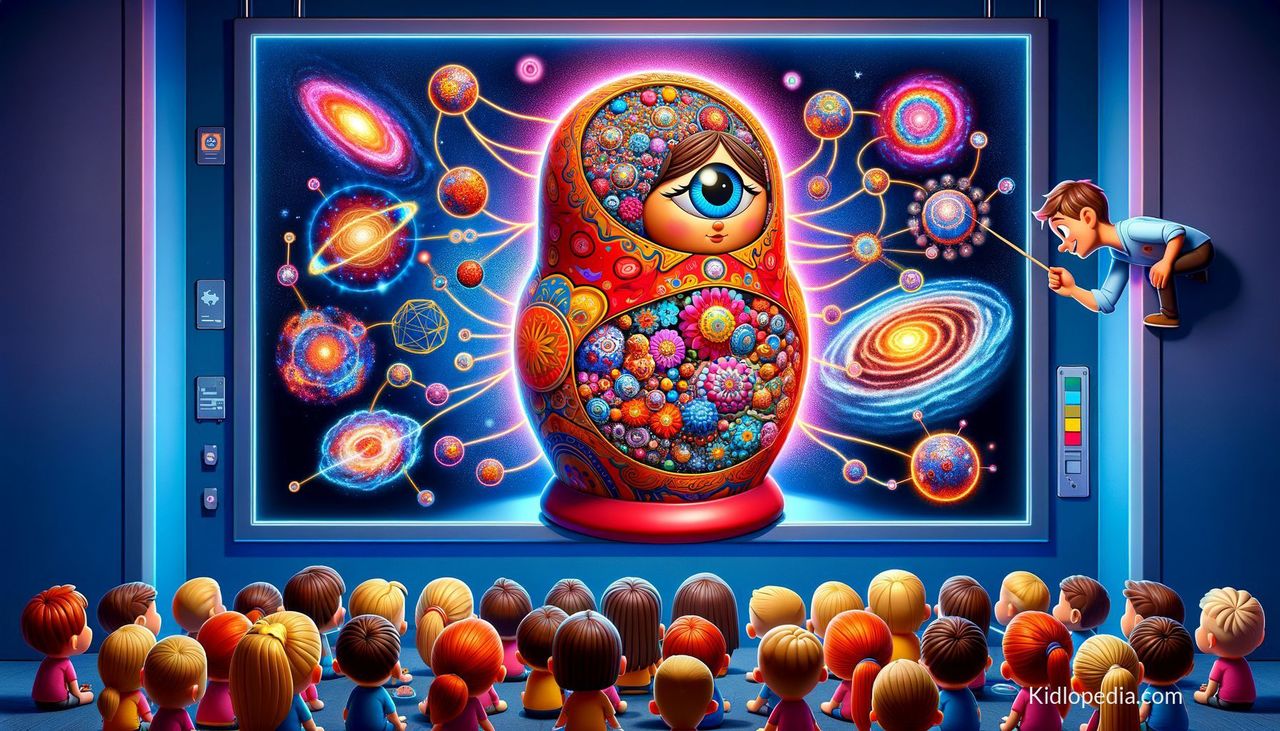
A Matrioshka Brain is a theoretical concept for an advanced computing system made up of layers of smaller computers nested within each other, similar to Russian dolls. These computers work together to solve complex problems using immense energy, often imagined to be drawn from the sun. Understanding a Matrioshka Brain helps us explore ideas about future technology and energy use while addressing big challenges like space exploration and environmental care.
A Matrioshka Brain is a theoretical computing system made up of layers of smaller computers that are nested inside each other, much like Russian dolls.
Each layer can process information and communicate with the others, creating a powerful and complex network.
This type of brain is designed to work together to solve very difficult problems.
The concept of a Matrioshka Brain imagines using vast amounts of energy, which could be generated from the sun.
The outer layer could collect sunlight and convert it into power.
Each inner layer would be responsible for different tasks, making the entire system extremely efficient.
Think of it like a team where each member has a specific role to play.
These advanced computing systems could help tackle big challenges, such as improving healthcare, advancing space exploration, and finding sustainable solutions for our environment.
By working together, the layers of computers in a Matrioshka Brain could analyze data and execute tasks much faster than any single computer could alone.
Understanding Matrioshka Brains introduces us to future technology ideas.
It shows how we might use clean energy and advanced computing to create solutions that benefit humanity.
Scientists and engineers explore these concepts to think about what our world might look like in the future.
Did you know?
The idea of the Matrioshka Brain was inspired by the Russian doll nesting concept, where smaller dolls fit inside larger ones.
Also, researchers believe that harnessing solar energy could significantly impact our ability to power such advanced technologies.
To discover more exciting topics, visit Kidlopedia.com!
Each layer can process information and communicate with the others, creating a powerful and complex network.
This type of brain is designed to work together to solve very difficult problems.
The concept of a Matrioshka Brain imagines using vast amounts of energy, which could be generated from the sun.
The outer layer could collect sunlight and convert it into power.
Each inner layer would be responsible for different tasks, making the entire system extremely efficient.
Think of it like a team where each member has a specific role to play.
These advanced computing systems could help tackle big challenges, such as improving healthcare, advancing space exploration, and finding sustainable solutions for our environment.
By working together, the layers of computers in a Matrioshka Brain could analyze data and execute tasks much faster than any single computer could alone.
Understanding Matrioshka Brains introduces us to future technology ideas.
It shows how we might use clean energy and advanced computing to create solutions that benefit humanity.
Scientists and engineers explore these concepts to think about what our world might look like in the future.
Did you know?
The idea of the Matrioshka Brain was inspired by the Russian doll nesting concept, where smaller dolls fit inside larger ones.
Also, researchers believe that harnessing solar energy could significantly impact our ability to power such advanced technologies.
To discover more exciting topics, visit Kidlopedia.com!