Treasure Hunting: Geocaching
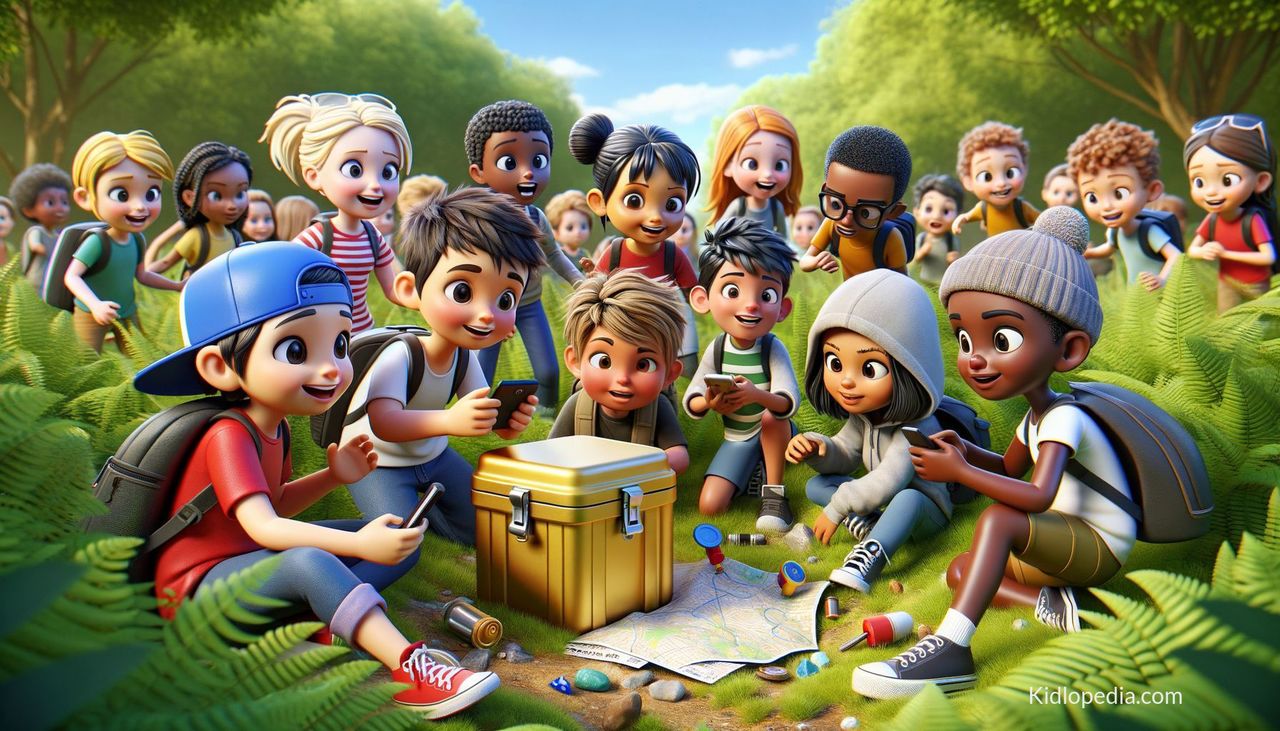

Geocaching is a modern treasure hunt where people hide small containers called caches all over the world. Participants use GPS coordinates to find these hidden treasures, which can include toys, trinkets, or notes. Geocaching encourages exploration, map reading, and appreciation for nature while promoting kindness through the practice of trading items.
Geocaching is a modern treasure hunt where people hide small containers called caches in different locations around the world.
A cache can hold toys, trinkets, or notes.
Participants use GPS devices or smartphone apps to find these hidden treasures by entering specific GPS coordinates.
To start geocaching, you need to find a cache location online or through a geocaching app.
Once you have the GPS coordinates, you input them into your GPS device.
The device guides you to the vicinity of the hidden treasure.
When you get close, you look for cleverly hidden containers, often disguised to blend into their surroundings.
When you open a cache, you can take an item or two, but geocaching rules say you should leave something behind.
This creates a fair trade system.
You might find a small toy and add a colorful marble or a fun sticker in its place.
This practice promotes sharing and kindness among those who participate.
Geocaching is not just about finding hidden items.
It encourages exploration and learning.
Participants often walk through parks, forests, or urban areas, helping them appreciate nature and their surroundings.
It also teaches important skills like map reading and using technology.
Did you know that there are millions of geocaches hidden around the world?
Some caches are easy to find, while others can be quite challenging!
Explore more fun topics at Kidlopedia.com!
A cache can hold toys, trinkets, or notes.
Participants use GPS devices or smartphone apps to find these hidden treasures by entering specific GPS coordinates.
To start geocaching, you need to find a cache location online or through a geocaching app.
Once you have the GPS coordinates, you input them into your GPS device.
The device guides you to the vicinity of the hidden treasure.
When you get close, you look for cleverly hidden containers, often disguised to blend into their surroundings.
When you open a cache, you can take an item or two, but geocaching rules say you should leave something behind.
This creates a fair trade system.
You might find a small toy and add a colorful marble or a fun sticker in its place.
This practice promotes sharing and kindness among those who participate.
Geocaching is not just about finding hidden items.
It encourages exploration and learning.
Participants often walk through parks, forests, or urban areas, helping them appreciate nature and their surroundings.
It also teaches important skills like map reading and using technology.
Did you know that there are millions of geocaches hidden around the world?
Some caches are easy to find, while others can be quite challenging!
Explore more fun topics at Kidlopedia.com!