Wildlife Tracking: Hunting
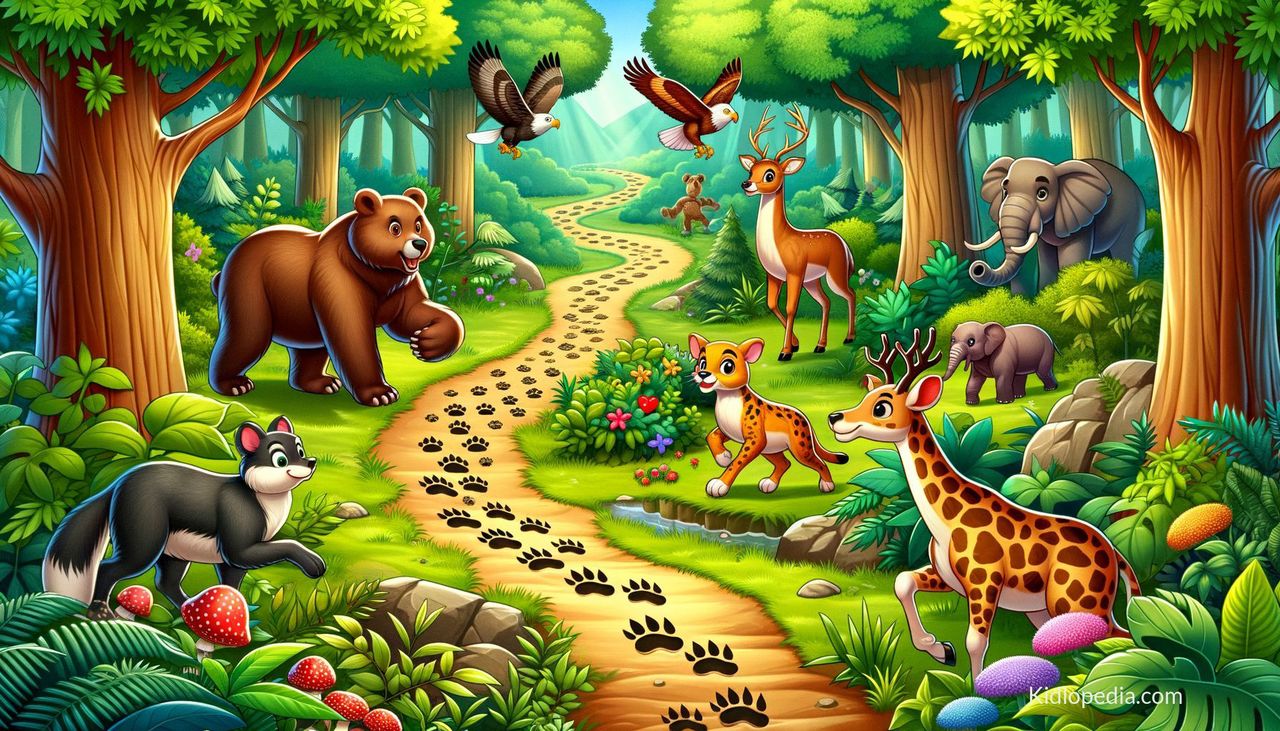
Hunting is a natural behavior where one animal catches another animal for food. This process is important because it helps maintain balance in nature, ensuring that different species can live together. Understanding hunting helps us appreciate wildlife and the roles animals play in their ecosystems.
Hunting is a natural behavior where one animal catches another animal for food.
This is an essential part of nature and helps maintain balance in ecosystems.
Through hunting, animals can survive and reproduce, ensuring their species continues to thrive.
Many predators, such as foxes and hawks, hunt for food.
They have special adaptations that help them catch their prey.
For example, a fox is quiet and stealthy, allowing it to sneak up on rabbits.
This skillful hunting is important because it controls the population of other animals and keeps the ecosystem healthy.
In nature, not all animals hunt.
Some animals, called herbivores, only eat plants.
These animals, like deer and rabbits, play a critical role in their environment by helping to keep plant life under control.
The balance of hunting and herbivory ensures different species can live together harmoniously.
Hunting is also a behavior that can be studied through tracking.
Trackers can find footprints, broken branches, or signs of animal activity to understand where animals have been and what they are doing.
This careful observation teaches us about the lives of animals and their interactions with each other and their environments.
Did you know that some animals only hunt at night, while others hunt during the day?
This behavior is called being nocturnal or diurnal.
Each animal has its own special way of finding food that helps it survive!
If you're curious to learn more about wildlife and other exciting topics, visit Kidlopedia.com!
This is an essential part of nature and helps maintain balance in ecosystems.
Through hunting, animals can survive and reproduce, ensuring their species continues to thrive.
Many predators, such as foxes and hawks, hunt for food.
They have special adaptations that help them catch their prey.
For example, a fox is quiet and stealthy, allowing it to sneak up on rabbits.
This skillful hunting is important because it controls the population of other animals and keeps the ecosystem healthy.
In nature, not all animals hunt.
Some animals, called herbivores, only eat plants.
These animals, like deer and rabbits, play a critical role in their environment by helping to keep plant life under control.
The balance of hunting and herbivory ensures different species can live together harmoniously.
Hunting is also a behavior that can be studied through tracking.
Trackers can find footprints, broken branches, or signs of animal activity to understand where animals have been and what they are doing.
This careful observation teaches us about the lives of animals and their interactions with each other and their environments.
Did you know that some animals only hunt at night, while others hunt during the day?
This behavior is called being nocturnal or diurnal.
Each animal has its own special way of finding food that helps it survive!
If you're curious to learn more about wildlife and other exciting topics, visit Kidlopedia.com!