Cosmic Clusters: Galaxy Clusters
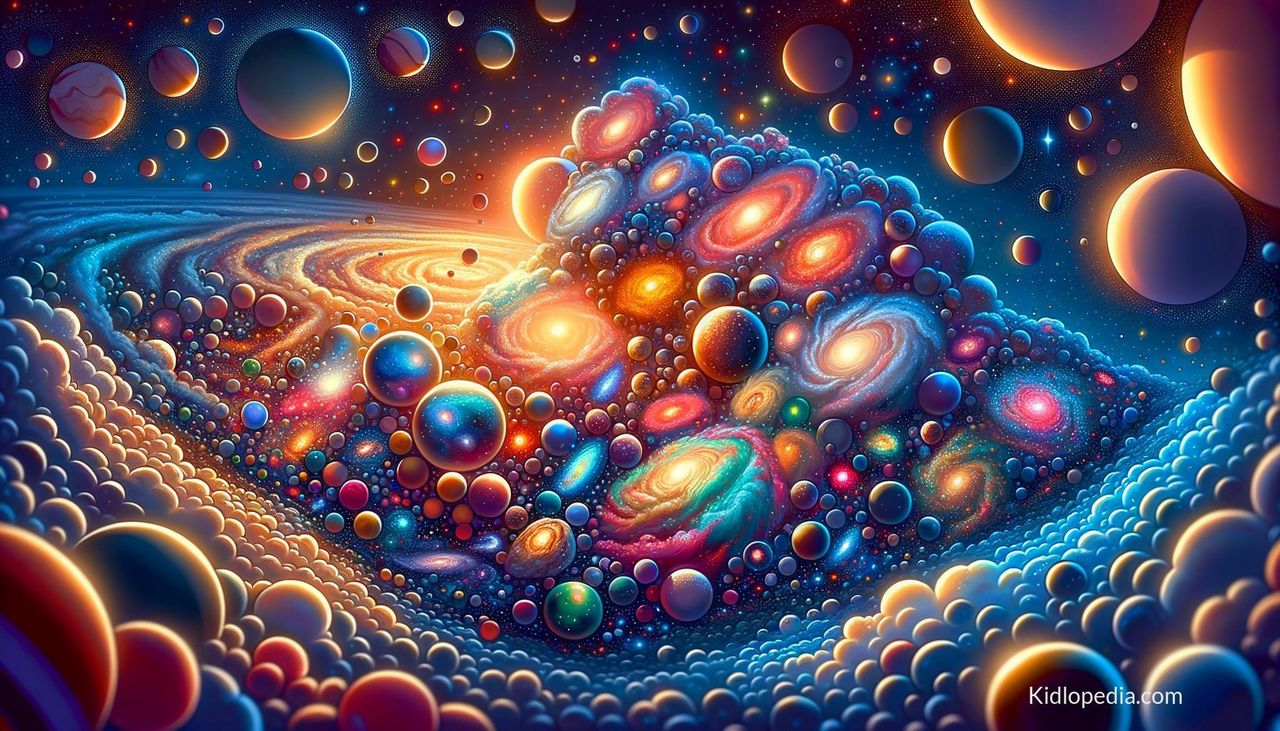
Galaxy clusters are large groups of galaxies that are held together by gravity. They can contain anywhere from a few to thousands of galaxies, along with gas and dark matter. Studying galaxy clusters helps astronomers understand the structure and evolution of the universe, as these clusters are some of the largest gravitationally bound structures known.
Galaxy clusters are large groups of galaxies that are held together by gravity.
They can contain anywhere from a few to thousands of galaxies.
Along with the galaxies, clusters also include gas and dark matter, which play important roles in their structure.
Gravity is the force that pulls objects toward each other.
In galaxy clusters, gravity pulls the galaxies together, keeping them bound in one place.
This is similar to how a magnet can hold metal objects close.
The galaxies within a cluster can interact and even share materials like gas and stars.
Studying galaxy clusters helps astronomers learn about the universe.
Clusters are some of the largest structures we can see in space.
By examining how galaxies within clusters behave, scientists can understand how galaxies form and evolve over time.
There are many galaxy clusters throughout the universe.
Some are very large, containing thousands of galaxies, while others are smaller.
Each cluster is unique and contributes to our overall understanding of the cosmos.
Did you know?
The nearest galaxy cluster to Earth is called the Virgo Cluster, and it contains over 1,300 galaxies! Also, galaxy clusters can help astronomers discover dark matter, which makes up most of the universe but cannot be seen directly.
Explore more fascinating topics at Kidlopedia.com!
They can contain anywhere from a few to thousands of galaxies.
Along with the galaxies, clusters also include gas and dark matter, which play important roles in their structure.
Gravity is the force that pulls objects toward each other.
In galaxy clusters, gravity pulls the galaxies together, keeping them bound in one place.
This is similar to how a magnet can hold metal objects close.
The galaxies within a cluster can interact and even share materials like gas and stars.
Studying galaxy clusters helps astronomers learn about the universe.
Clusters are some of the largest structures we can see in space.
By examining how galaxies within clusters behave, scientists can understand how galaxies form and evolve over time.
There are many galaxy clusters throughout the universe.
Some are very large, containing thousands of galaxies, while others are smaller.
Each cluster is unique and contributes to our overall understanding of the cosmos.
Did you know?
The nearest galaxy cluster to Earth is called the Virgo Cluster, and it contains over 1,300 galaxies! Also, galaxy clusters can help astronomers discover dark matter, which makes up most of the universe but cannot be seen directly.
Explore more fascinating topics at Kidlopedia.com!